
Paint Film Protection for Cars: Shield Your Ride!

Paint film protection for cars safeguards the vehicle’s exterior from scratches, chips, and environmental damage. It enhances the car’s appearance and resale value by maintaining the paint’s original quality.
Installing paint protection film is a wise investment that ensures long-lasting protection and ease of maintenance. This transparent layer acts as a shield against road debris, UV rays, and harsh weather conditions, keeping the car looking newer for longer. With the advancement in technology, paint protection films are now more durable, self-healing, and offer enhanced protection without altering the vehicle’s aesthetics.
Consider paint film protection to keep your car looking pristine and well-maintained for years to come.
The Basics Of Paint Film Protection
When it comes to keeping your car looking pristine, paint film protection is a must-have. This innovative solution provides a layer of defense against chips, scratches, and environmental damage, helping to maintain the beauty and value of your vehicle. In this article, we will delve into the basics of paint film protection, exploring what it is, its benefits for your vehicle, and why it’s a smart investment for car owners.
What Is Paint Film Protection?
Paint film protection, also known as clear bra or paint protection film (PPF), is a durable, transparent film applied to the exterior of a vehicle. It acts as a shield, safeguarding the paint from rock chips, road debris, bug splatter, and other hazards that can cause unsightly damage. The film is designed to be virtually invisible, preserving the original aesthetics of the car while providing an added layer of defense.
Benefits For Your Vehicle
Investing in paint film protection offers a range of benefits for your vehicle, including:
- Protection: Shielding the paint from chips, scratches, and environmental damage.
- Preservation: Preserving the original finish and overall aesthetics of the car.
- Resale Value: Maintaining the vehicle’s value by minimizing wear and tear.
- Easy Maintenance: Simplifying cleaning and upkeep, as the film can be washed and waxed like the rest of the car’s exterior.
- Longevity: Extending the lifespan of the paint and reducing the need for frequent touch-ups.
With these advantages, paint film protection is a wise investment for car owners looking to keep their vehicles in top condition for the long haul.
Types Of Paint Protection Films
When it comes to protecting your car’s paint job, there are several options available. Each type of paint protection film offers unique benefits, so it’s essential to understand the differences. Let’s explore the various types of paint protection films and their characteristics.
Polyurethane Films
Polyurethane films, commonly known as PPF, are a popular choice for safeguarding a vehicle’s exterior. This transparent, thermoplastic material provides a strong barrier against scratches, rock chips, and environmental damage. PPF is self-healing, meaning it can absorb light scratches and marks, maintaining the pristine appearance of the car’s paint. It is also resistant to yellowing, ensuring long-lasting clarity. This type of film is an excellent investment for preserving the aesthetic appeal of your vehicle.
Ceramic Coatings
Ceramic coatings offer another form of paint protection, providing a durable layer of protection with hydrophobic properties. The ceramic coating forms a chemical bond with the vehicle’s factory paint, creating a protective and glossy layer. This shields the paint from UV rays, oxidation, and environmental contaminants. Additionally, ceramic coatings make the cleaning process easier, as dirt and grime are less likely to adhere to the surface. The enhanced shine and longevity provided by ceramic coatings make them a sought-after choice for many car owners.
Installation Process
When it comes to protecting your car’s paint, paint film protection is a highly effective option. This thin, transparent film acts as a shield against road debris, scratches, and UV damage, helping your car retain its pristine appearance for longer. But how is the installation process carried out? Let’s explore the steps involved in preparing your car and the differences between professional and DIY installations.
Preparing Your Car
Before applying the paint film protection, it is crucial to prepare your car properly. This ensures a smooth and successful installation process. Here are the key steps you should follow:
- Thoroughly wash and dry your car to remove any dirt, grime, or wax residue.
- Inspect the paintwork for any existing damage, such as scratches or swirl marks.
- Use a clay bar to remove any contaminants from the surface, ensuring a clean and smooth canvas for the film.
- Tape off any areas that you want to protect from the film, such as emblems or moldings.
Professional Vs. Diy Installations
When it comes to installing paint film protection, you have two options: professional installation or DIY. Let’s take a closer look at each:
| Professional Installation | DIY Installation |
|---|---|
| Performed by experienced technicians who have the necessary skills and tools. | Requires time, patience, and attention to detail. |
| Professional-grade film is used, offering superior durability and longevity. | DIY kits are available, providing a more affordable option. |
| Installation process is typically quicker, ensuring optimal results. | Requires careful following of instructions to achieve a satisfactory outcome. |
| Professionals can provide warranties and guarantees for their work. | No warranties or guarantees are typically offered for DIY installations. |
Ultimately, the choice between professional and DIY installations depends on your preferences, budget, and skill level. While professional installations offer convenience and expertise, DIY installations can be a rewarding option for those who enjoy tackling projects themselves.
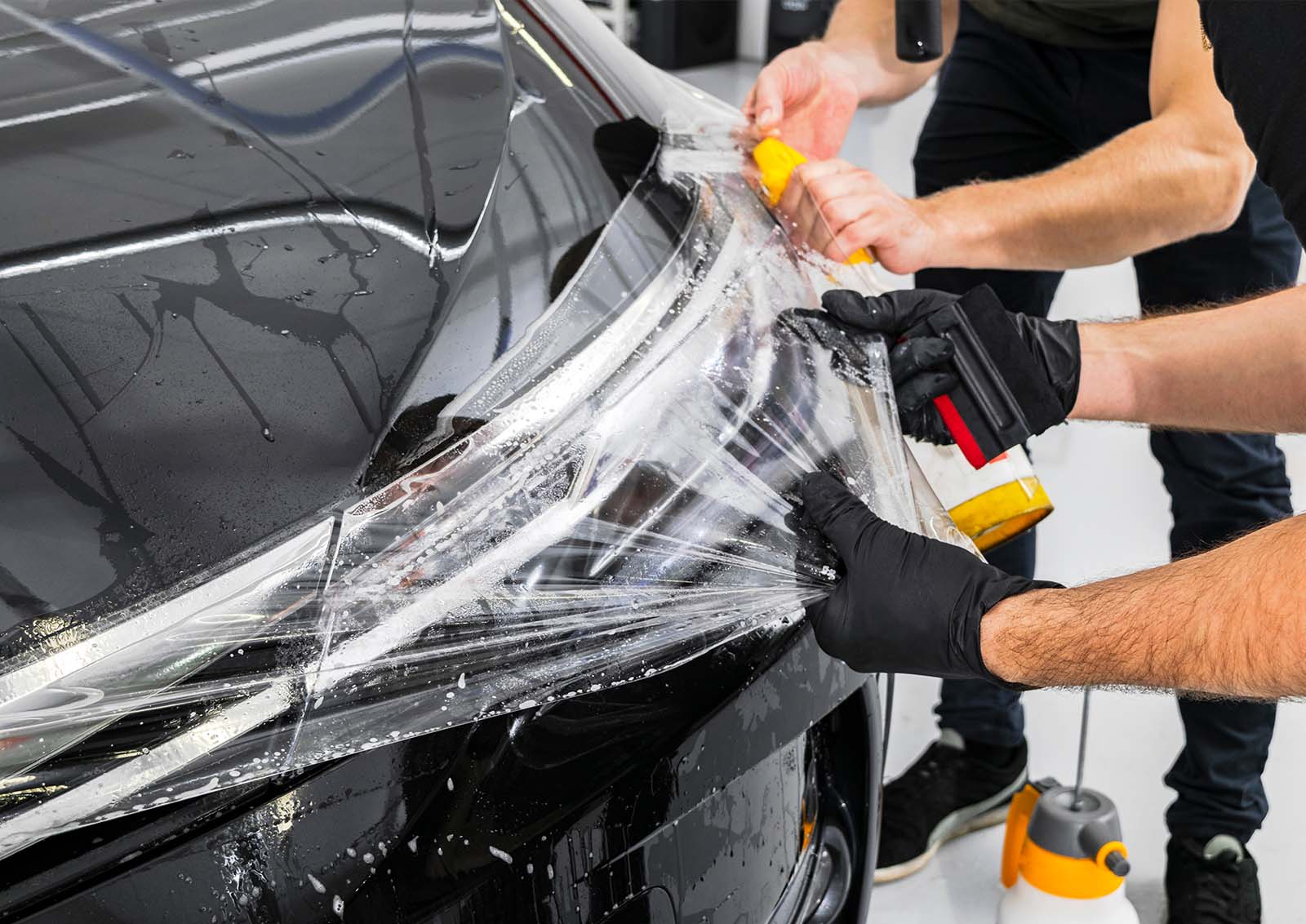
Credit: wheelforcestudio.com
Maintenance Tips
Proper maintenance is crucial to extend the lifespan of your car’s paint film protection. Here are some essential tips to ensure your paint protection film stays in top condition.
Cleaning Recommendations
- Use a pH-neutral car shampoo to clean the paint film regularly.
- Avoid abrasive materials like rough sponges or brushes that can damage the film.
- Pat dry the film after washing to prevent water spots.
Longevity And Durability
- Regularly wax the film to enhance its durability and protect it from UV rays.
- Keep your car parked in shaded areas to prevent premature fading of the film.
- Inspect the film for any damage and address any issues promptly to maintain its longevity.
Cost Analysis
To determine the cost analysis of paint film protection for cars, one must consider the initial investment of the protection film, the cost of installation, and the potential savings on repairs and maintenance in the long run. Additionally, the durability and effectiveness of the film should also be taken into account.
When considering paint film protection for your car, one important aspect to evaluate is the cost. This cost analysis will help you understand the initial investment required and compare it to the long-term savings it can provide.
Initial Investment
The initial investment for paint film protection consists of the cost of the protective film itself and the professional installation. The price of the film can vary depending on the brand, quality, and coverage area. On average, the cost of the film ranges from $500 to $1500. For the installation, it is highly recommended to seek the services of a professional installer. The installation process requires skill and precision to ensure the film is applied properly without any bubbles or imperfections. The cost of installation can range from $200 to $500, depending on the complexity and size of the vehicle.
Comparing Long-term Savings
While the initial investment may seem significant, it is essential to consider the long-term savings that paint film protection can offer. By protecting your car’s paintwork from scratches, chips, and fading, you can potentially save money on costly repairs and repainting in the future. Here is a comparison of potential long-term savings:
- Scratch and Chip Repair: Paint film protection acts as a barrier against scratches and chips caused by road debris, keys, or other objects. Repairing these damages can be expensive, ranging from $100 to $500 per panel. With paint film protection, you can avoid these costs altogether.
- Paint Fading and Oxidation: Over time, exposure to sunlight and environmental factors can cause your car’s paint to fade and oxidize. Repainting the entire vehicle can cost thousands of dollars. By applying paint film protection, you can significantly prolong the lifespan of your car’s paint, reducing the need for repainting.
- Resale Value: A well-maintained paint job can positively impact the resale value of your car. Potential buyers will appreciate the added protection and the pristine appearance of your vehicle, making it more attractive in the market.
Considering these potential savings, the initial investment for paint film protection can prove to be a wise financial decision in the long run. It not only safeguards your car’s paintwork but also helps you save money on repairs, repainting, and potentially enhances its resale value. In conclusion, the cost analysis of paint film protection reveals that while there is an initial investment, the long-term savings and benefits outweigh the expenses. By protecting your car’s paintwork, you can avoid costly repairs, extend the lifespan of the paint, and potentially increase the resale value of your vehicle.

Credit: m.youtube.com
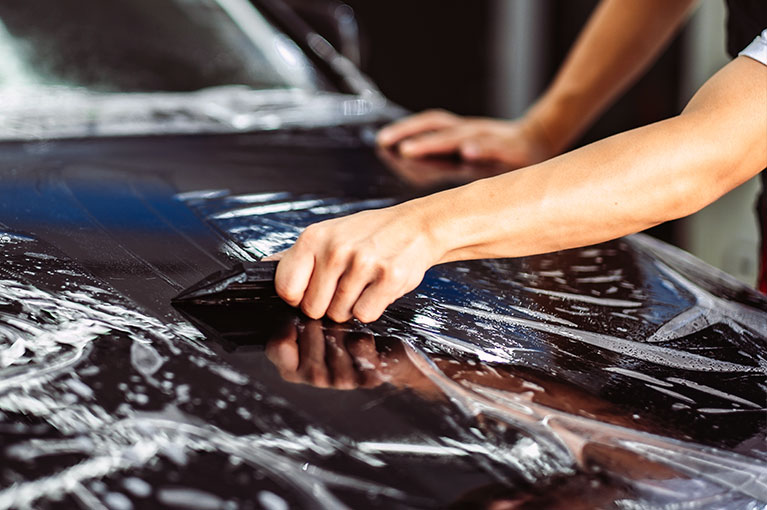
Credit: www.xpel.com
Frequently Asked Questions
Is Paint Protection Film Worth It For Cars?
Yes, paint protection film is worth it for cars as it provides a durable shield against scratches, chips, and UV damage. It preserves the car’s appearance and retains its resale value.
How Long Does Car Paint Protection Film Last?
Car paint protection film can last up to 5 years with proper maintenance. Regular cleaning and care help extend its lifespan.
What Are The Disadvantages Of Car Paint Protection Film?
Car paint protection film can be costly and difficult to install. It may also show signs of wear and tear over time, such as yellowing or peeling. Additionally, removing the film can be a time-consuming process and may damage the underlying paint.
Should I Put Protective Film On My Car?
Yes, putting a protective film on your car is recommended. It helps safeguard the exterior from scratches, rock chips, and other damage. The film acts as a barrier, preserving the paint and finish. It also enhances the resale value of your vehicle.
Conclusion
Paint film protection is a crucial investment for car owners who want to keep their vehicles looking new for longer. With its ability to prevent scratches, chips, and other forms of damage, a high-quality paint protection film can provide peace of mind and save car owners money in the long run.
By working with a reputable installer and following proper maintenance guidelines, car owners can ensure that their paint protection film continues to provide maximum protection for years to come.
Paint film protection for cars safeguards the vehicle’s exterior from scratches, chips, and environmental damage.
- Shields paint from scratches and chips.
- Maintains vehicle’s appearance.
- Protects against UV damage.
- Easier cleaning and maintenance.
- Increases resale value.
- High initial cost.
- Professional installation required.
- Potential for visible edges or seams.