
Car Rust Treatment: Ultimate Guide to Protect Your Vehicle

For car rust treatment, use a rust converter to neutralize rust and prevent further corrosion. Regular maintenance is key.
Car rust can be a major headache for vehicle owners, causing both aesthetic and structural damage if left untreated. Fortunately, there are effective solutions available to address this issue. One popular method is using a rust converter, which chemically reacts with rust to neutralize it and create a protective barrier against future corrosion.
By incorporating rust treatment into your regular maintenance routine, you can prolong the lifespan of your vehicle and maintain its appearance. In this blog post, we will explore the importance of car rust treatment, the benefits of using a rust converter, and some tips for effectively managing and preventing rust on your vehicle.
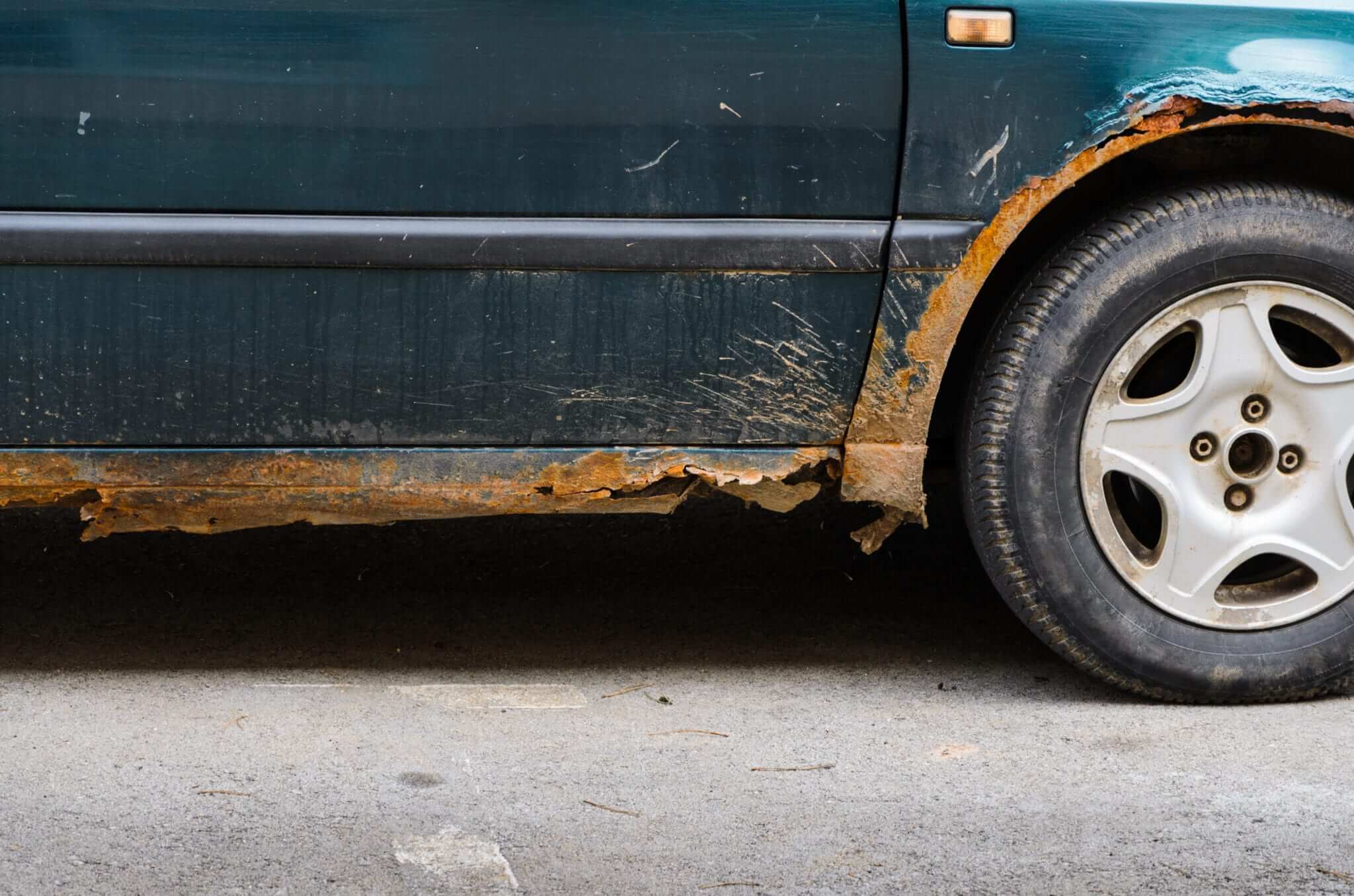
Credit: www.leonsautobody.com
The Menace Of Rust: Impact On Vehicles
Factors Contributing To Car Rust
Rust on cars can be caused by moisture, salt, and lack of protective coatings.
Common Areas Prone To Rusting
Exposed metal surfaces like door edges, wheel wells, and undercarriage are susceptible to rust.
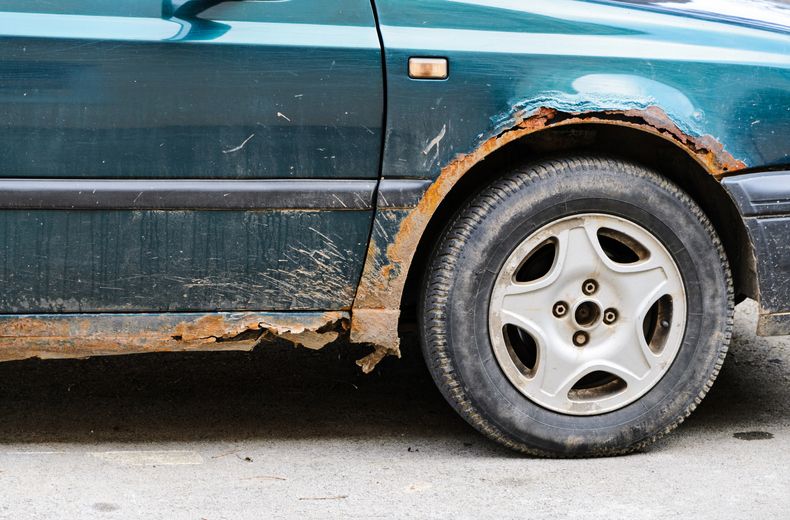
Credit: www.rac.co.uk
Early Detection: Spotting Rust Before It Spreads
Car rust can be a major headache for vehicle owners, leading to costly repairs and decreased resale value. However, by detecting rust in its early stages, you can take proactive measures to prevent its spread and ensure the longevity of your car’s exterior. In this blog post, we will explore some visual inspection tips and the use of technology for rust detection, allowing you to catch rust before it becomes a bigger problem.
Visual Inspection Tips
Regular visual inspections are key to spotting rust early on. By examining your car’s exterior, you can identify any potential areas of concern. Here are some tips to help you with your visual inspection:
- Start by thoroughly examining the car’s body, paying close attention to the undercarriage, wheel wells, and areas prone to moisture accumulation.
- Look out for any discoloration, bubbling, or blistering of the paint, as these may indicate the presence of rust underneath.
- Inspect the seams, joints, and edges of panels, as rust often forms in these areas due to trapped moisture.
- Check for any signs of rust on the chrome trim, as it can spread quickly if not addressed promptly.
By incorporating these visual inspection tips into your routine car maintenance, you can catch rust early and take action to prevent its progression.
Using Technology For Rust Detection
In addition to visual inspections, technology can also play a crucial role in detecting rust before it spreads. Here are some innovative methods you can utilize:
- Electronic Rust Prevention Systems: These systems utilize electronic pulses to create a protective barrier on your car’s surface, preventing rust from forming.
- Rust-O-Meters: These handheld devices use electrical conductivity to measure the thickness of paint and detect any underlying rust.
- Moisture Detectors: These tools measure the moisture content in various parts of your car, helping you identify areas prone to rust formation.
By leveraging these technological advancements, you can enhance your rust detection capabilities and catch any signs of corrosion early on.
Remember, early detection is crucial when it comes to rust treatment. By implementing regular visual inspections and utilizing technology for rust detection, you can identify and address rust before it spreads, ensuring the longevity and aesthetic appeal of your car.
Preventative Measures: Shielding Your Car From Rust
Rust can be a relentless adversary for car owners, causing unsightly damage and potentially compromising the structural integrity of the vehicle. However, there are effective preventative measures that can shield your car from rust, ensuring its longevity and appearance.
Regular Maintenance And Cleaning
Regular maintenance and cleaning are crucial for preventing rust from taking hold. Cleaning your car regularly, especially during winter when road salt can accelerate rust formation, can help remove corrosive elements. Additionally, keeping your car’s undercarriage clean and free of debris can prevent moisture and dirt from accumulating, reducing the risk of rust.
Protective Coatings And Sealants
Protective coatings and sealants offer an added layer of defense against rust. Applying a high-quality rust inhibitor or sealant to vulnerable areas, such as the wheel wells and undercarriage, can provide a protective barrier against moisture and corrosive substances. Furthermore, investing in professional rustproofing treatments can offer long-term protection against rust, safeguarding your car’s exterior and interior components.
Diy Rust Treatment: Step-by-step Approach
Rust can be a major issue for car owners, leading to deterioration and decreased value of their vehicles. However, with a step-by-step approach to rust treatment, you can tackle this problem head-on and restore your car’s appearance. In this guide, we will walk you through the process of DIY rust treatment, from the tools and materials required to the rust removal process.
Tools And Materials Required
Before you begin the rust treatment process, gather the following tools and materials:
- Protective gloves and goggles
- Wire brush or sandpaper
- Rust converter or rust remover
- Primer paint
- Paintbrush or spray can
- Masking tape or newspaper
- Clean cloth
Having these tools and materials ready will ensure a smooth and efficient rust treatment process.
The Rust Removal Process
Now that you have your tools and materials, it’s time to tackle the rust removal process. Follow these steps:
- Prepare the affected area: Start by cleaning the rusted area with water and a mild detergent. Remove any loose rust or paint using a wire brush or sandpaper. This will provide a clean surface for the treatment.
- Apply rust converter or rust remover: Depending on the severity of the rust, choose either a rust converter or rust remover. Apply it to the affected area according to the product instructions. This will help convert the rust into a stable compound or dissolve it completely.
- Allow time for the treatment to work: After applying the rust converter or remover, give it sufficient time to work. This may vary depending on the product, so refer to the instructions provided.
- Wipe off excess residue: Once the treatment has had time to work, use a clean cloth to wipe off any excess residue. Ensure that the area is dry and free from any remaining rust or treatment product.
- Apply primer paint: To prevent future rusting, apply a coat of primer paint to the treated area. This will create a protective barrier between the metal and the environment.
- Paint the area: Finally, apply the matching color paint to the treated area. Use a paintbrush or spray can for an even and smooth finish. Allow the paint to dry completely before exposing the car to any moisture.
By following these steps, you can effectively treat rust on your car and restore its appearance. Regular maintenance and addressing rust early on will help prolong the life of your vehicle and maintain its value.
Professional Rust Treatment Options
Rust can be a pesky issue for car owners, but professional rust treatment options can help tackle this problem effectively.
Choosing The Right Service Provider
When selecting a rust treatment service provider, consider their experience, expertise, and customer reviews.
Cost Versus Longevity Of Treatment
Comparing the cost of treatment with its longevity is crucial to ensure you get the best value for your money.

Credit: m.youtube.com
Frequently Asked Questions
What Is The Best Treatment For Rust On Cars?
The best treatment for rust on cars is to remove the rusted area entirely and apply a rust converter. Sanding, grinding, or blasting can be done to remove the rusted area. Once the area is clean, apply the converter to prevent rust from spreading.
Finally, paint the area to match the rest of the car.
Is It Worth Fixing Rust On A Car?
Yes, it’s worth fixing rust on a car to prevent further damage and maintain its value. Regular maintenance helps extend the life of the vehicle.
Does Wd-40 Remove Rust From Car?
Yes, WD-40 can help remove rust from a car. Its lubricating properties help loosen the rust, making it easier to remove. Regular use can also prevent future rust formation.
What Is The Best Anti Rust Treatment For Cars?
The best anti-rust treatment for cars is a combination of regular washing, waxing, and applying a rust inhibitor. It’s also important to keep the car dry and avoid exposing it to salt and moisture. Professional rustproofing is an option for added protection.
Conclusion
Rust can be a major problem for car owners, but it can be treated effectively with the right products and techniques. Regular maintenance and preventative measures can also help prevent rust from forming in the first place. It’s important to address any rust issues as soon as possible to avoid further damage and costly repairs.
By following these tips and being proactive, car owners can keep their vehicles looking and functioning their best for years to come.
- Prevents further rust damage.
- Extends vehicle lifespan.
- Enhances car appearance.
- Improves resale value.
- Protects structural integrity.
- Can be costly.
- Requires regular maintenance.
- May need professional application.